
Yang Zuoping
Poet, son of the painter and art educator Yang Jianhou and younger brother of Yang Zuotang. Member of the Chinese Poetry Association, known for inscribed painting poems, name-embedded verse, and lantern riddles.
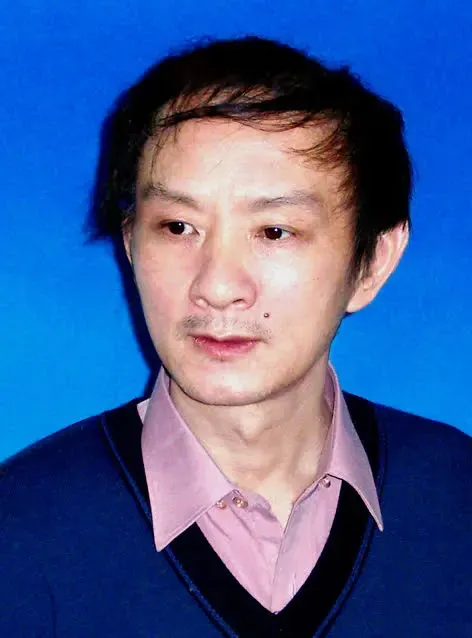
A member of the Chinese Poetry Association. His work is rich in imagination, strict in meter, concise and ingenious in diction, and lofty in conception. He is skilled in inscribed painting poems, embedded-character verse, and acrostics, and especially in the highly demanding form of serial name-embedded poems. Some of his works have been posted on the Chinese Classical Poetry Forum, and he has published several volumes of poetry. He has also written numerous lantern riddles, including serial name lantern riddles.
Author’s second preface to Inscribed Painting Poems on The Scroll of the Eighty-Seven Immortals
Original Self-Portrait in Verse
少志殊高,数理优良。牛顿爱氏,非莫崇仰。
众峰不屑,尽览皆低,自信万倍,绝顶会当。
怪风骤起,飞沙卷石,洪水猛兽,顷刻掀浪。
黎庶涂炭,文化淹塘。停课罢业,走街串巷。
红本图腾,绿服袖章。焚书坑儒,运动干将。
翻江倒海,倚舵嚣张。四鬼挥旗,魑魅魍魉。
群魔呐喊,虎豹豺狼。口号振声,标语满墙。
造反有劲,打砸烧抢。家门景况,祸及冲创。
支离破碎,忍吞愈狂。失落学子,得意流氓。
中途夭折,华愿重伤。云梯悬断,妄步天堂。
弃留定夺,进退彷徨。笑彼城火,悲此鱼殃。
兔死狗烹,上山下乡。旦夕阴晴,世态炎凉。
劳体汗湿,饥腹饭香。茅屋孤闷,提琴拉娱,
坡陌闲阅,消磨辰光。名著几多,莎翁独赏。
哲道深奥,康德休谟,智慧圣殿,问敢入场。
悖时扼腕,无缘垂芳。盼期徒返,衣食生养。
路歧班远,奔波愁忙。三载延读,寄改现状。
易取证凭,难跳箩糠。周旋费苦,终幸变迁,
空余始宽,怎的惆怅。青春遥逝,心灰念丧。
聊以解忧,乐在棋牌,沉迷日废,虚度年荒。
市井小民,论岂两样。挂历禧新,贵庚怕询,
岁月疾车,螳臂恨挡。桑榆叹晚,暮色苍茫。
偶逢机遇,探邀题画,古句今辞,惜匪所长。
颓寞旷久,底蕴尚存,冒然应允,鼓胆试尝。
玩瘾未泯,嗜好共伴,疑义劝诘,讥唇戏相。
内曲骨傲,外直言爽。资能差异,你弱我强。
灵感勃发,情思滔涌,初登诗坛,才大气壮。
事忌平庸,举必惊人,一树开花,千果累昌。
西霞姣艳,还忆旭阳。招摇枝茂,嫌似夸扬。
出版欲切,唯恐突唐。褒贬谁计,慕嫉何妨。
奇作抱欢,间待尘亡。礼赞命归,魂洗泉黄。
English translation
In youth my aims were high, and I excelled in mathematics and science. Newton and Einstein were the ones I revered.
I scorned the many peaks; all I surveyed seemed low. With confidence ten-thousandfold, I would stand upon the summit.
Then a strange wind rose at once; flying sand rolled up the stones. Flood and savage beasts—in an instant they threw up the waves.
The common people were plunged into misery; culture sank beneath the water. Classes stopped, work ceased; we wandered streets and lanes.
The red book was a totem, green uniforms and armbands. Books were burned, scholars buried—the champions of the movement.
Rivers were overturned, seas upended; those at the helm grew arrogant. Four ghosts waved the flags; demons and goblins filled the ranks.
A host of monsters shouted; tigers, leopards, jackals, wolves. Slogans rang out; posters covered the walls.
Rebellion had its vigor: beating, smashing, burning, looting. Our household's fortune—disaster struck and left its wounds.
Torn to fragments, we swallowed on; the more we endured, the wilder it grew. Students were lost; ruffians had their day.
Cut off midway, our splendid hopes were gravely wounded. The ladder to the clouds snapped; we had dared to walk toward heaven.
To leave or stay we could not settle; we wavered, forward and back. They laughed at fire in the city; I grieved for the fish that perished with it.
When the hares were dead, the hounds were cooked; then up to the mountains, down to the countryside. Morning and evening, cloud and sun; the world ran hot and cold.
The body labored, wet with sweat; to a hungry stomach the rice was fragrant. In a thatched hut, lonely and dull, I played the violin for pleasure,
and read at leisure on the slopes and paths to pass the hours. Of many famous books, Shakespeare alone I prized.
The way of philosophy ran deep—Kant and Hume. The temple of wisdom: did I dare to enter?
Out of step with the times, I wrung my hands; I had no chance to leave a name. The day I hoped for came back empty; I earned my clothes and bread.
The road forked, the class was far; I hurried, anxious and worn. Three years of delayed study, hoping to change my state.
A certificate was easy to obtain; to leap out of the bran-basket was hard. After bitter winding through, change came at last by luck,
and idle hours opened—why then this melancholy? Youth had gone far away; the heart was ash, the will undone.
To ease my cares I took pleasure in chess and cards; lost in them, I wasted days, and let the barren years run out.
A commoner of the marketplace—how was I otherwise? When the calendar turned to a new year, I feared to be asked my age,
for the years raced like a swift carriage; a mantis arm cannot hold them back. I sighed at the late sun on mulberry and elm; dusk spread, vast and gray.
Then chance brought an opening: I was invited to write poems on paintings. Ancient lines and modern diction—alas, this was not my strength.
Long in decline and solitude, yet some inner store remained. Recklessly I agreed, and gathered courage to try.
The itch to play had not died; my tastes kept me company. I questioned doubtful meanings, and met with mockery and jest.
Inwardly bent, proud in the bone; outwardly frank and direct. In gift and power we differed: you were the weaker, I the stronger.
Inspiration burst forth; feeling poured in a flood. I first stepped onto the poetic stage, talent high and spirit bold.
I shunned the mediocre; each act must astonish. One tree burst into flower; a thousand fruits hung in abundance.
The western glow is fair—yet I still remember the morning sun. The branches flourish, too showy; I feared it looked like boast.
I longed to publish, yet feared the presumption. Who counts praise or blame? What harm in envy or in admiration?
I hold these strange works in joy, and wait the while for dust and death. Let praise attend when life is done; let the soul be washed in the Yellow Springs.